Español English
21785
Sown plants
143.4K
Registries
87
Species
146
Sites

What is Galapagos Verde 2050?

Galapagos Verde 2050" is a program implemented by the Charles Darwin Foundation with the support of the Directorate of the Galapagos National Park, comprising multi-institutional collaboration components. From 2013 until 2021 it was managed as a project with two components: Ecological Restoration and Sustainable Agriculture, obtaining successful results especially in relation to cost-benefit analysis and the effectiveness of the use of water-saving technologies both in ecological restoration processes on various islands, and in improving the productivity of several short-cycle crops.

However, as of 2022, due to the need to enter a new phase, in which the program will move from experimentation to the implementation of ecological restoration activities on a larger scale, it was transformed into the Galapagos Verde 2050 Program, which is composed of seven research projects focused on the ecological restoration of degraded ecosystems on seven different islands. The main objective of the program is to contribute with pure and applied research for the development of an adaptive management model that will guarantee the conservation of the natural capital of Galapagos and contribute to the well-being of its human population.

See video with results of the Galapagos Verde 2050 Program in 2021

The Galapagos Archipelago is one of the greatest biodiversity spots and an excellent conservation reference worldwide. There are more than a thousand different registered plant species within the islands, of which almost two-hundred are endemic to the Galapagos Archipelago. This Charles Darwin Foundation project actively contributes to the conservation of this unique natural heritage site.

The Galapagos Verde 2050 Program maintains an interactive and continually-updated database through its own virtual platform, complete with a compatible Android app. This allows the user to track the current state of the project on every island and study site, including all recorded environmental and biological information.


LEARN MORE PROJECTS

  • Ecological restoration process in the Granillo Negro Mine area, Floreana Island, from 2013 to 2025. The images illustrate the progressive transformation of the landscape through the planting of native and endemic species, invasive species control, and ong

  • Fecal samples of the land iguana (Conolophus subcristatus) collected on South Plaza Island. Image shows the cleaning and preparation process in the laboratory, as part of ecological and dietary studies.

  • New ecological restoration site facing Champion Islet, critical for the recovery of the Floreana mockingbird (Mimus trifasciatus). Since October 2024 through 2025, targeted planting efforts have been carried out to enhance habitat and support future reint

  • Germination trial with Scalesia retroflexa and Scalesia affinis, conducted to increase their populations and support ecological restoration efforts in the Galápagos Islands.

  • Working with endangered species.

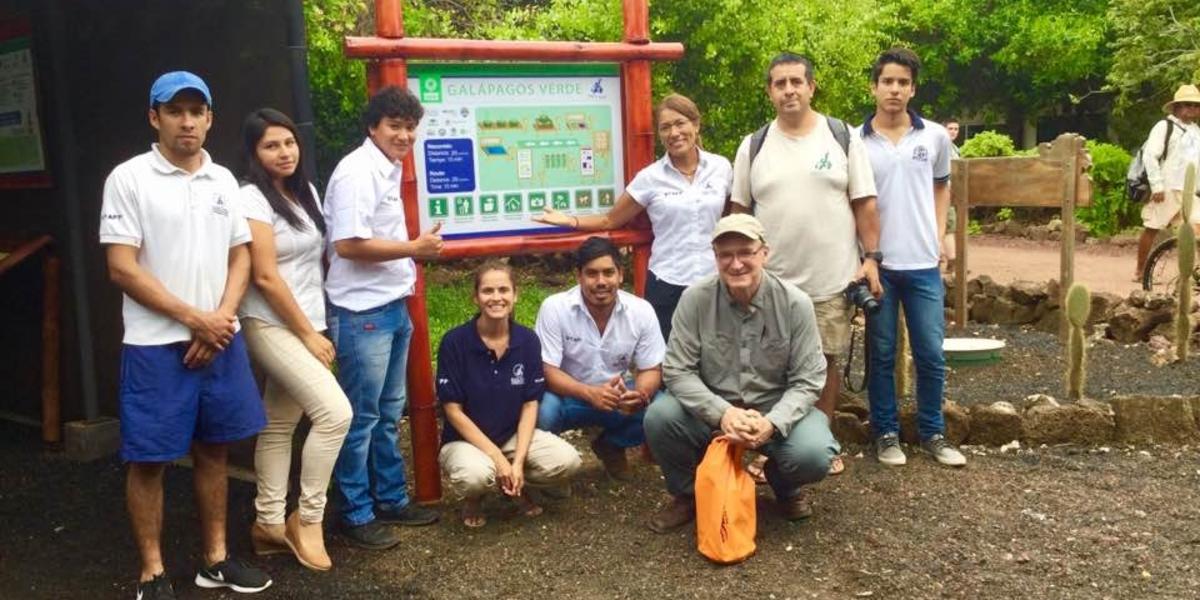
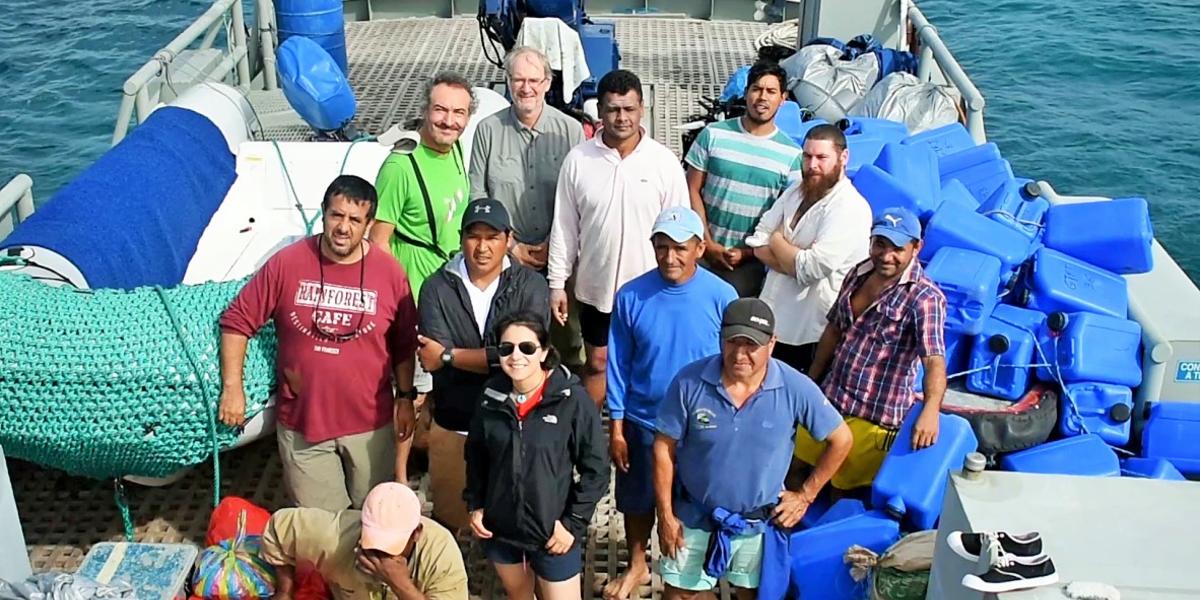
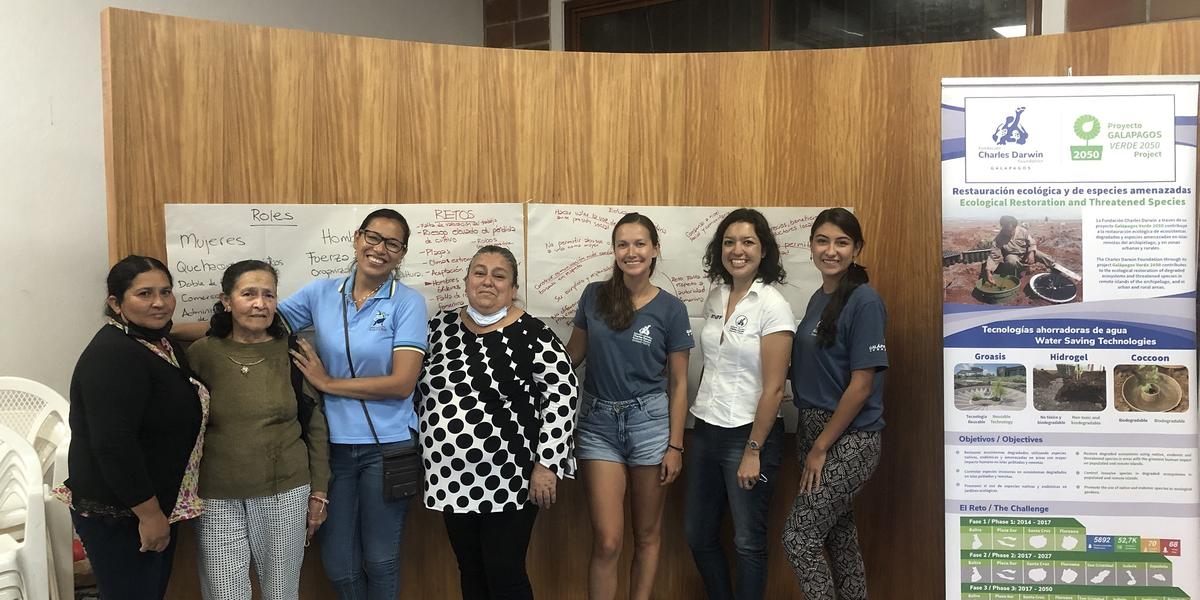
  • Group of collaborators and partners guided by Galapagos Conservation Trust (GCT) during a visit to ecological restoration sites on Floreana Island.

  • Technical training for the field team and park rangers, conducted prior to each expedition to ensure proper implementation of monitoring and restoration activities.

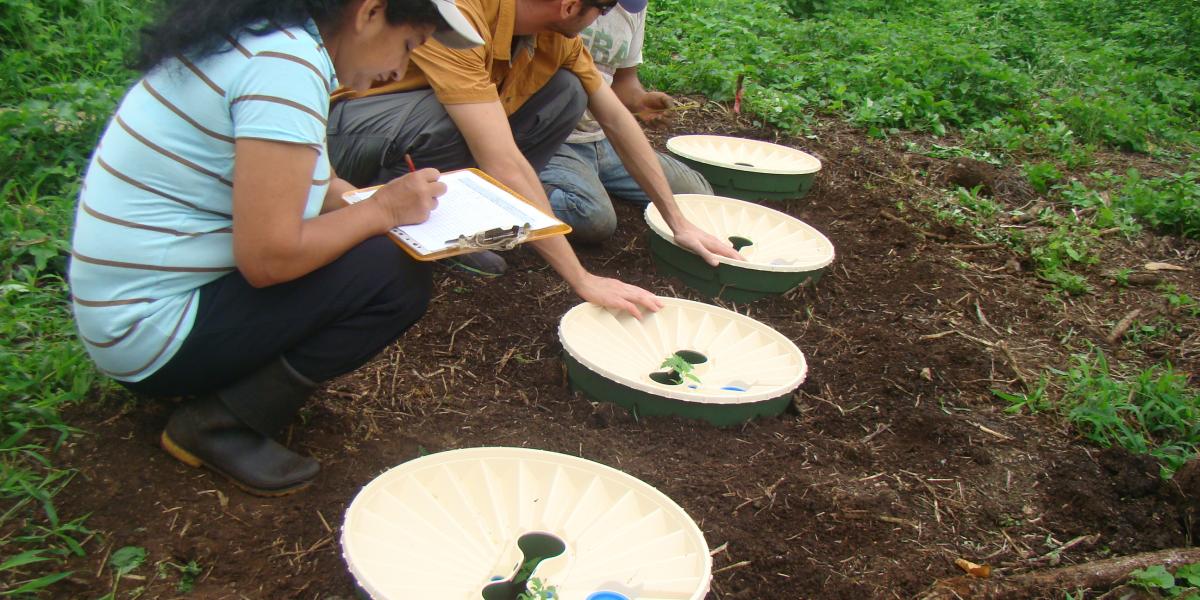
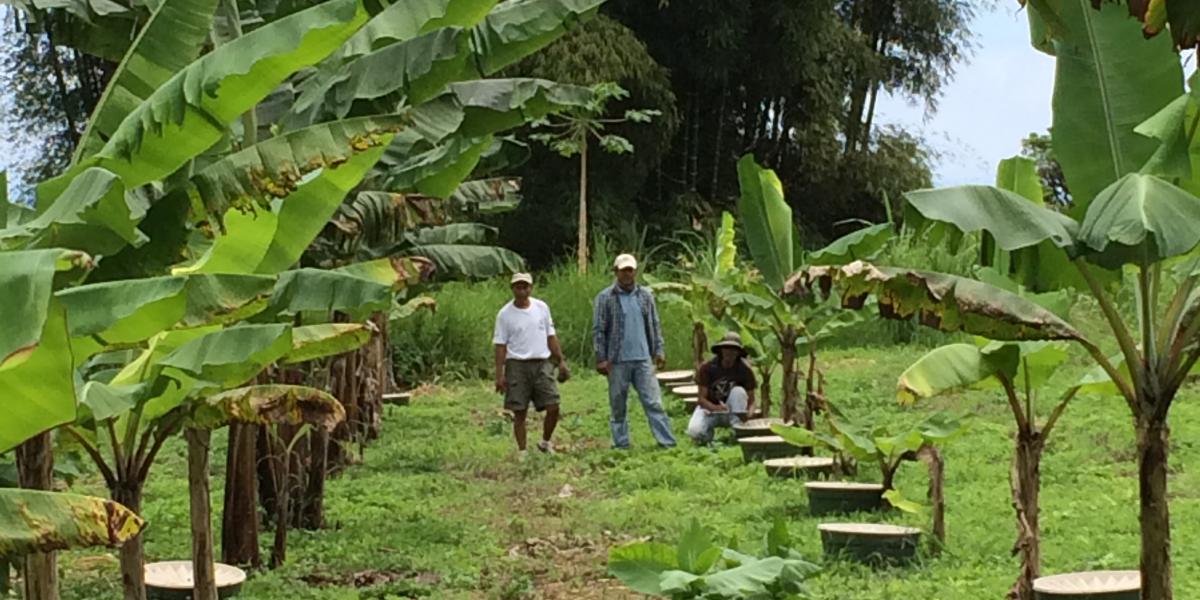
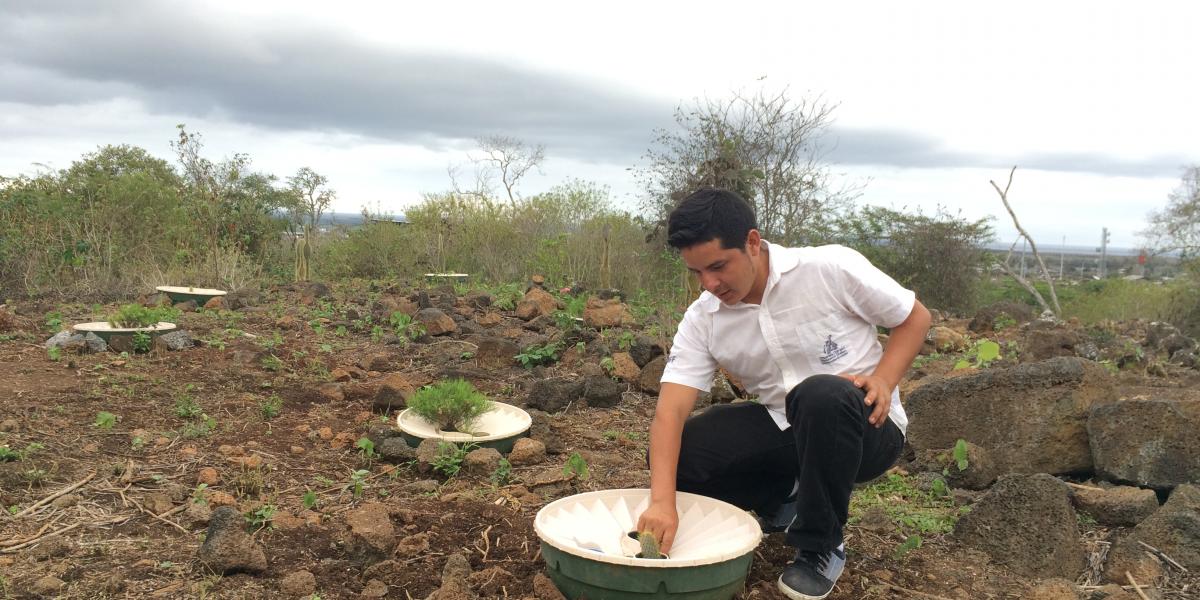
  • The first installation of Groasis technology on a farm on Santa Cruz Island.

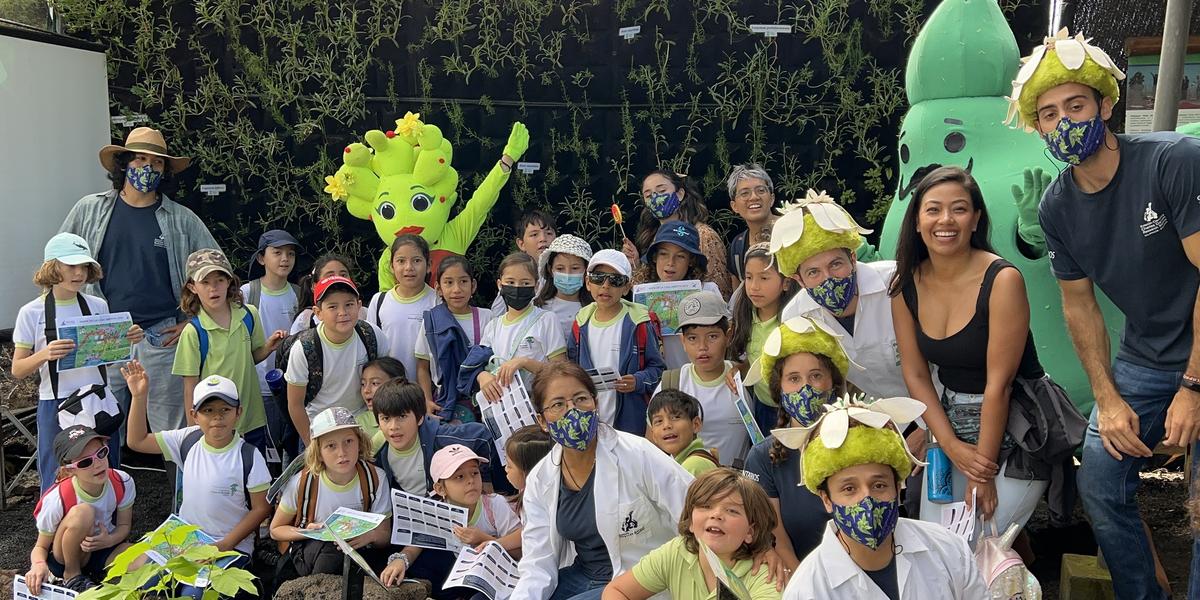
  • Distribution of educational books on Galápagos endemic flora to students in schools and high schools on Santa Cruz Island, Galápagos Archipelago, as part of environmental education activities.

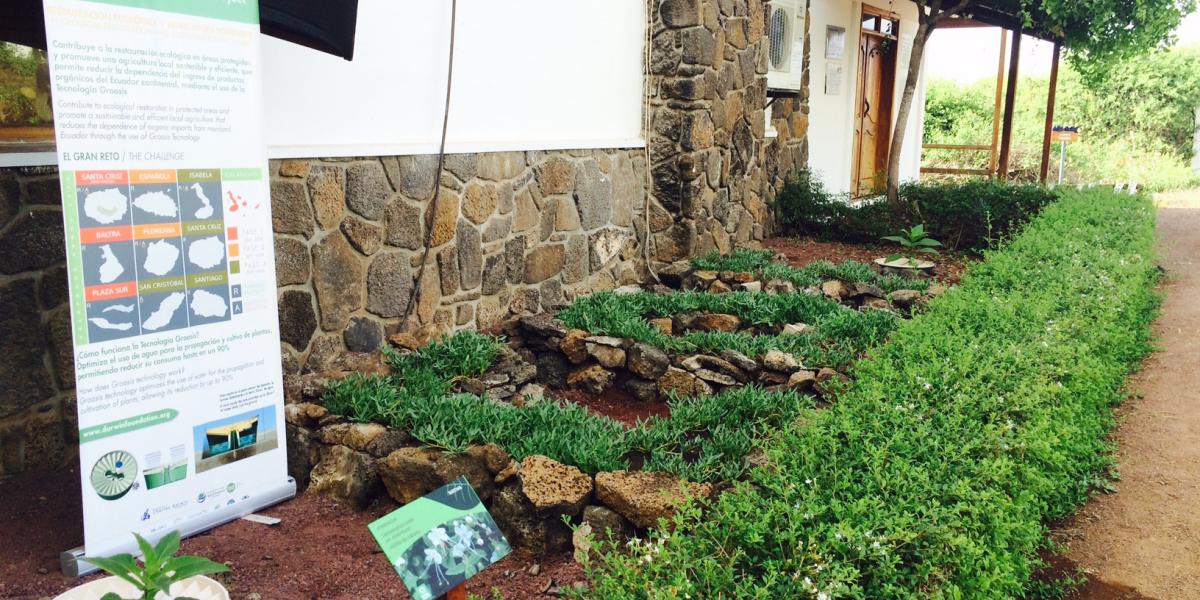
  • Example of ecological gardens with native and endemic species from the Galápagos Islands, implemented by the Galápagos Verde 2050 program of the Charles Darwin Foundation at the Charles Darwin Research Station as a demonstration site for restoration and s

  • Publicizing the objectives of the Galapagos Verde 2050 project at the Charles Darwin Research Station

  • Monitoring of repatriated Scalesia retroflexa seedlings, germinated at the Charles Darwin Foundation nursery and reintroduced into their natural habitat as part of an ecological restoration program.

  • Establishing sustainable agriculture with Groasis technology on Floreana Island

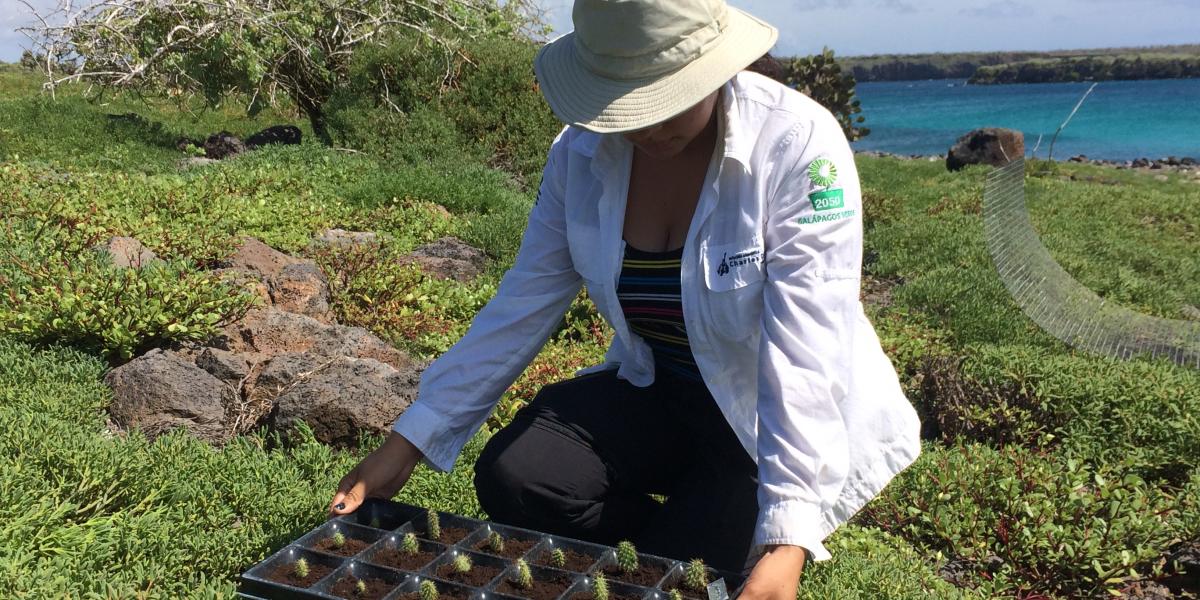
  • The first sowing of baby Opuntia cacti on Plaza Sur, beginning its ecological restoration

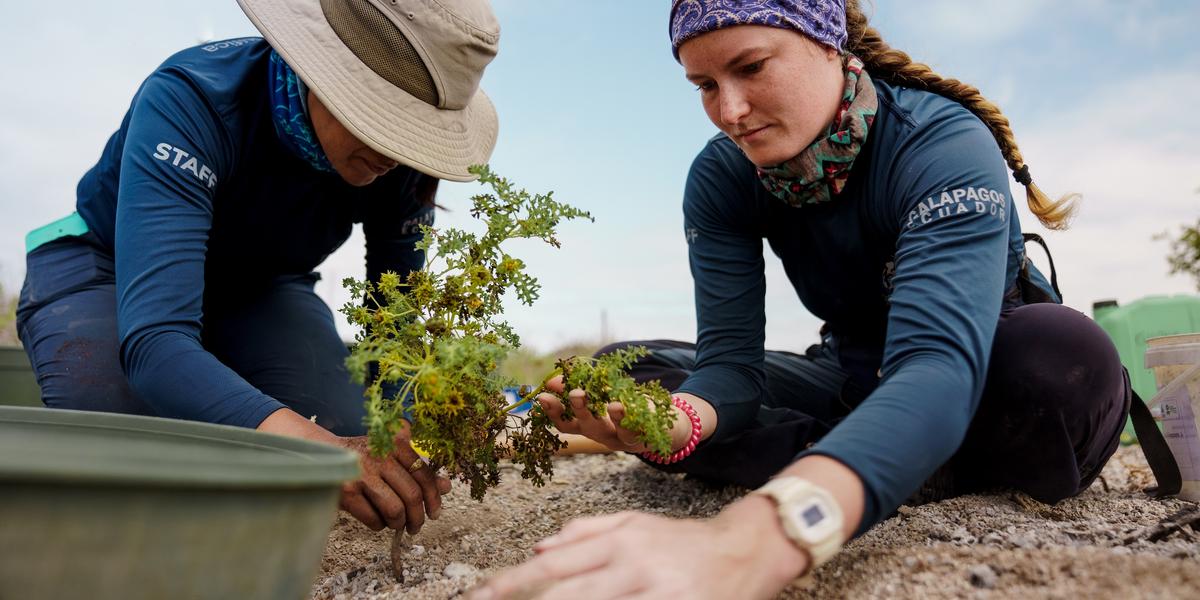
  • Park rangers, volunteers, and the research team of the Galápagos Verde 2050 program working at Punta Núñez, Santa Cruz Island, carrying out conservation actions for a threatened endemic species.

  • The first visit of John Loudon, president of our donor organization, COmON Land

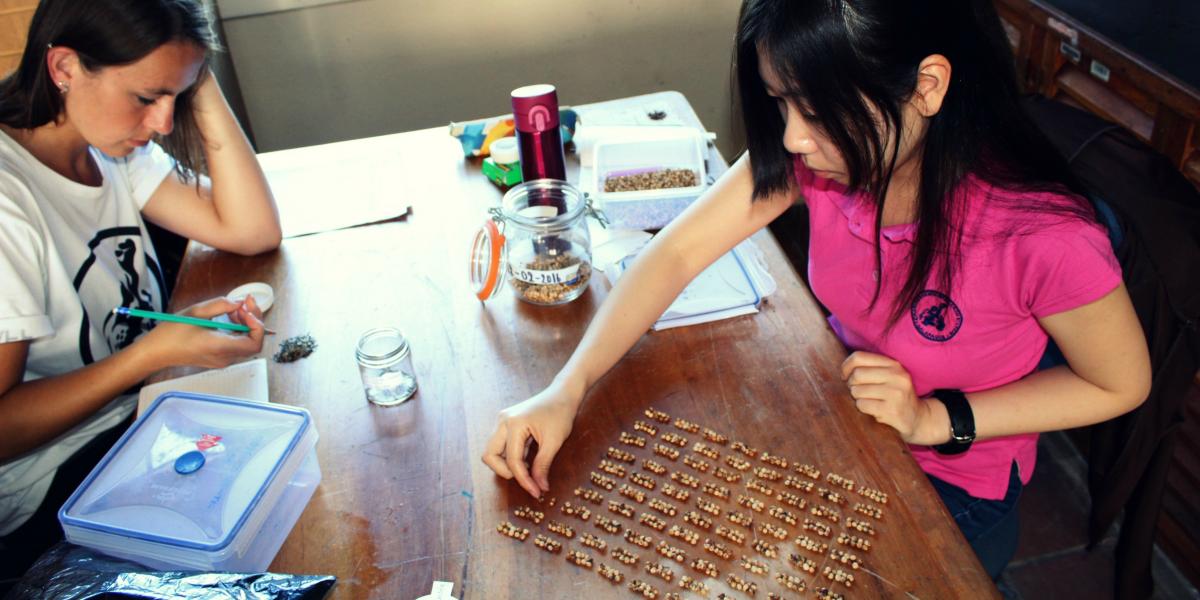
  • International volunteer workers collect, clean, and count the seeds used for proliferation of native species

  • Restoration of urban areas on Santa Cruz Island creates new green spaces

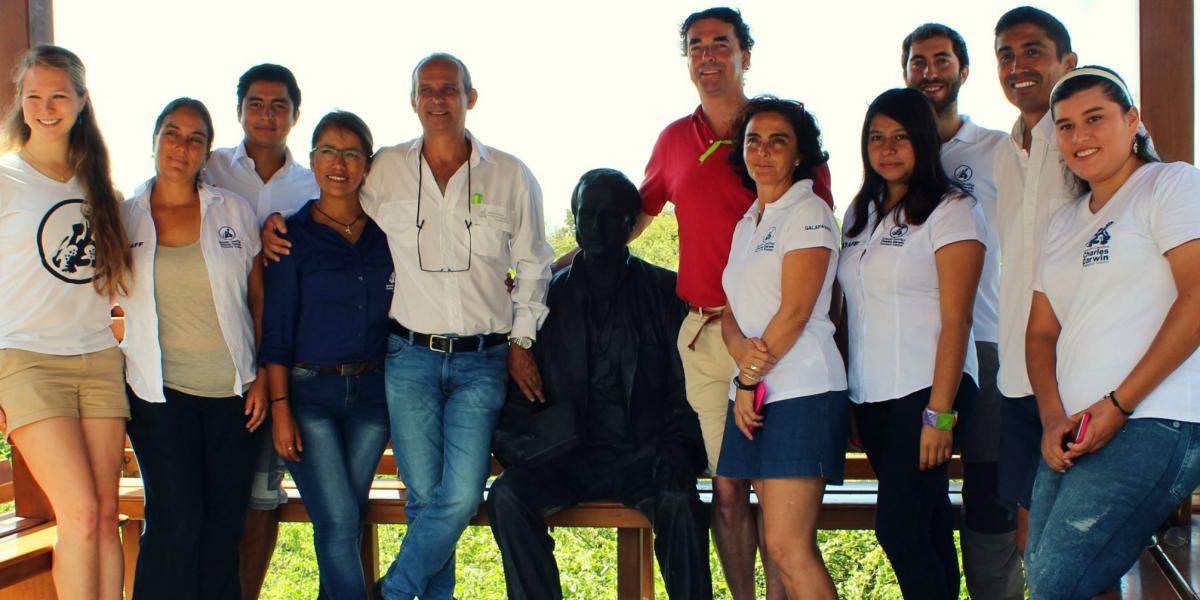
  • The Galapagos Verde 2050 inaguration team

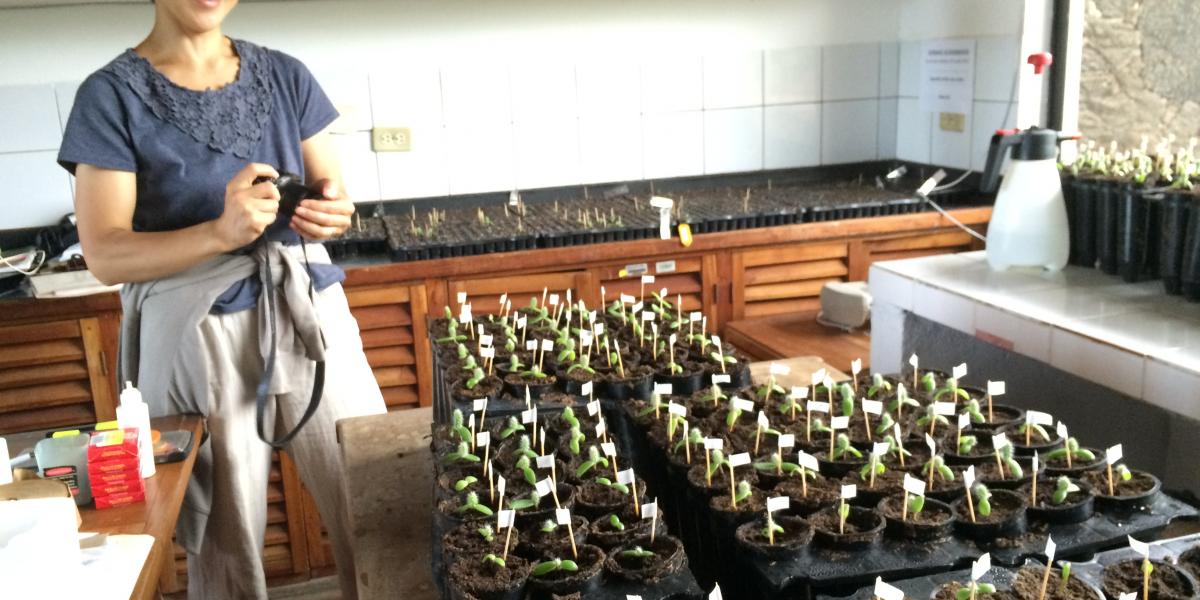
  • Production of Scalesia retroflexa seedlings at the Charles Darwin Foundation laboratories, as part of conservation efforts for this critically endangered species.

  • Expedition to Española to propogate Opuntia Megasperma var. orientalis Howell from its leaves

  • Teaching the community at the Charles Darwin Foundation's 2022 Open House.

  • Evaluation of the biodiversity before commencement of Galapagos Verde 2050 on Plaza Sur island.

  • Ecological restoration at the former Granillo Negro mine site on San Cristóbal Island. The area has been rehabilitated through the planting of native and endemic species as part of a habitat recovery process.

  • 34 Exclusions on Baltra Island

  • Maintenance of the protective fence at Punta Núñez, Santa Cruz Island (Galápagos Archipelago), for Scalesia retroflexa, an endemic species currently classified as Critically Endangered.

Where is present Galápagos Verde 2050?

Baltra
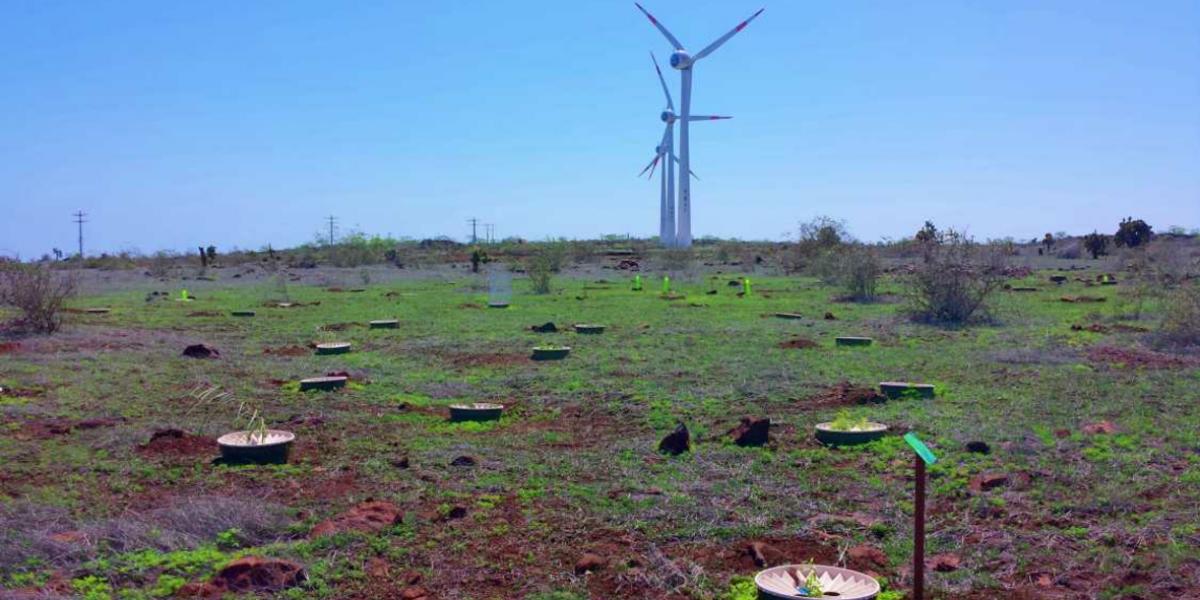
Restoring Baltra’s ecosystems provides an unique opportunity to apply principles and guidelines established by the Management Plan of the Protected Areas of Galapagos for Good Living. This plan...

Española
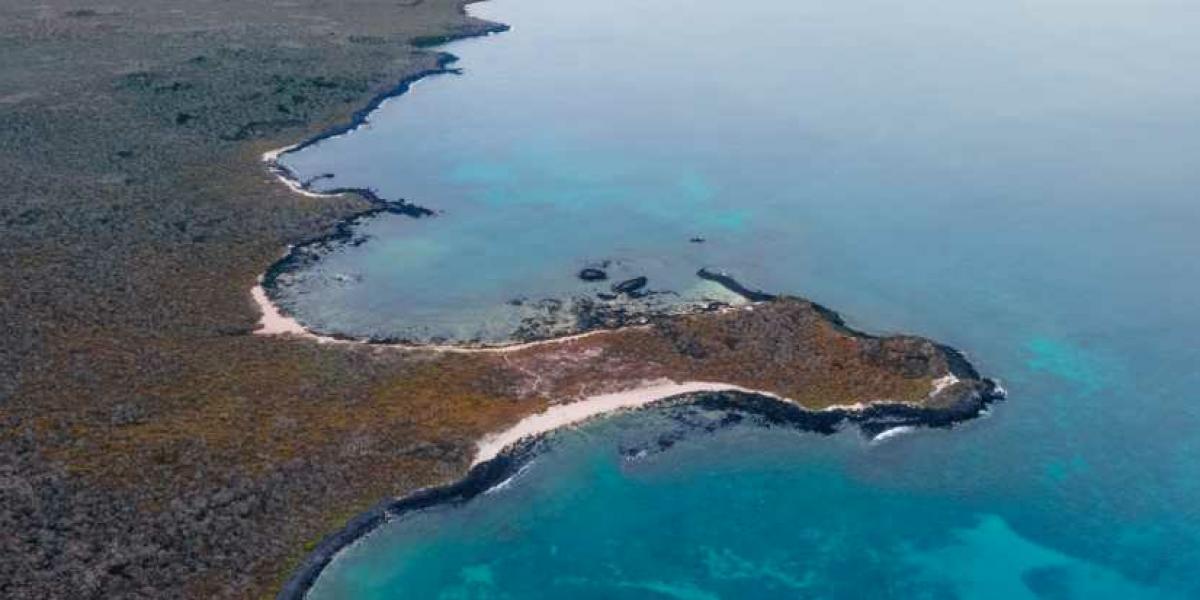
The Island of Española, located at the southeastern edge of the Galapagos Archipelago, is among the oldest islands within the archipelago at around 300 million years old. Due to its age and location...

Floreana
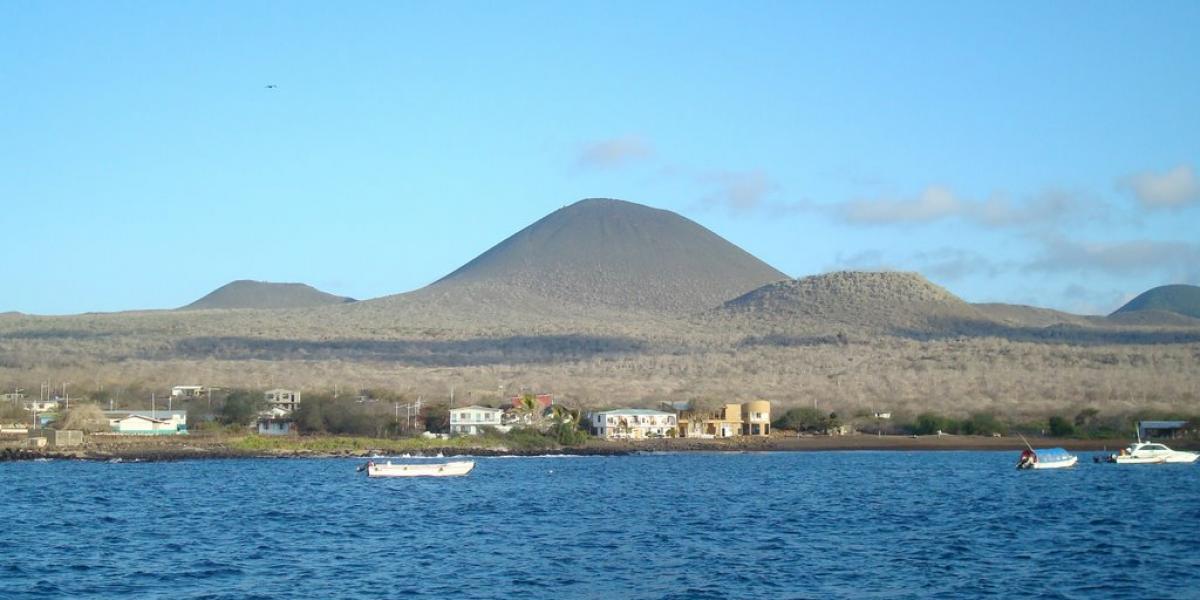
Floreana is one of four inhabited islands in the Galapagos Archipelago, and although the earliest record of human settlement was in 1807, it has never supported a large number of people. The current...

North Isabela
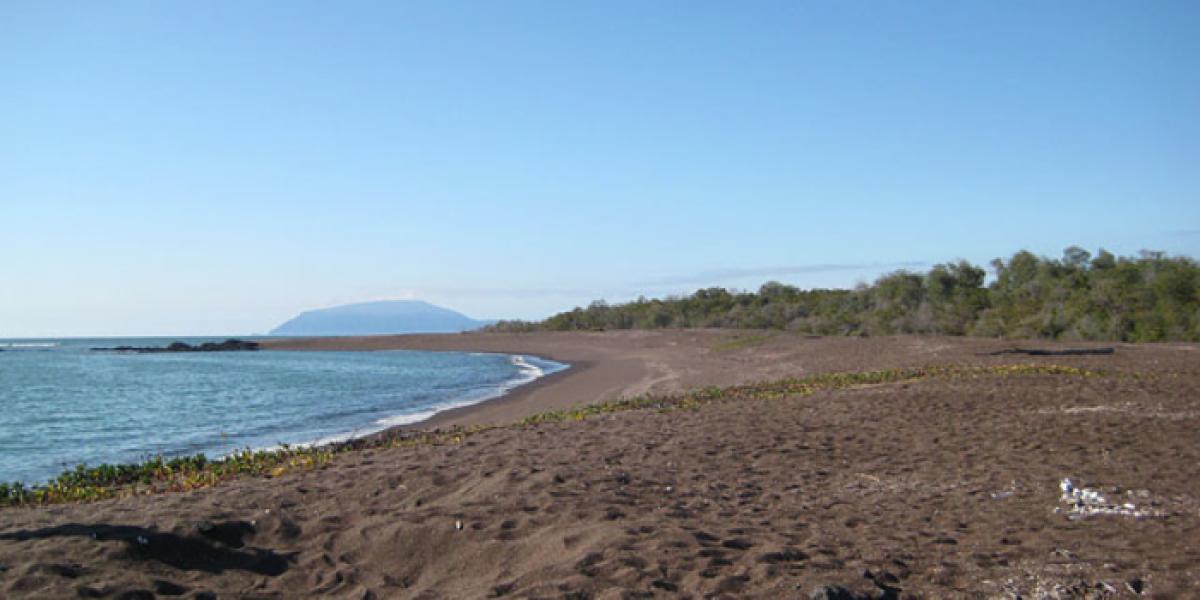
Isabela is the largest island in the archipelago, with an area of 4588 km², representing 60% of the total land in the Galapagos Islands. Isabela is one of the four inhabited islands, and hosts a...

San Cristobal
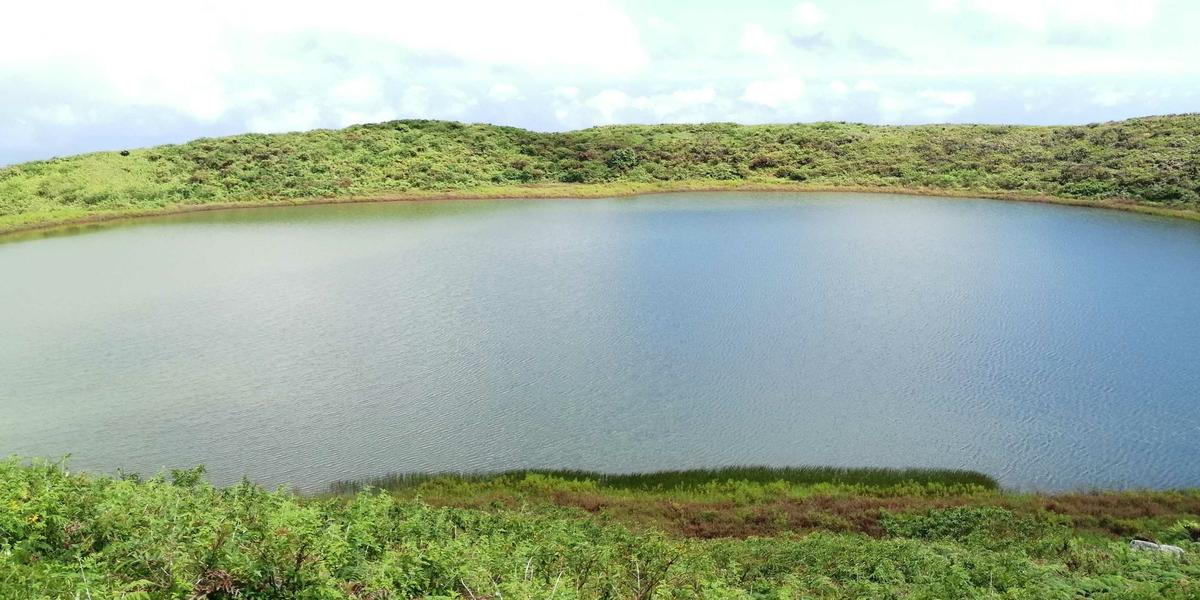
San Cristobal is the eastern-most island of the Galapagos Archipelago.The island covers an area of ​​558 km² and its highest point rises 730 meters above sea level. San Cristobal is...

Santa Cruz
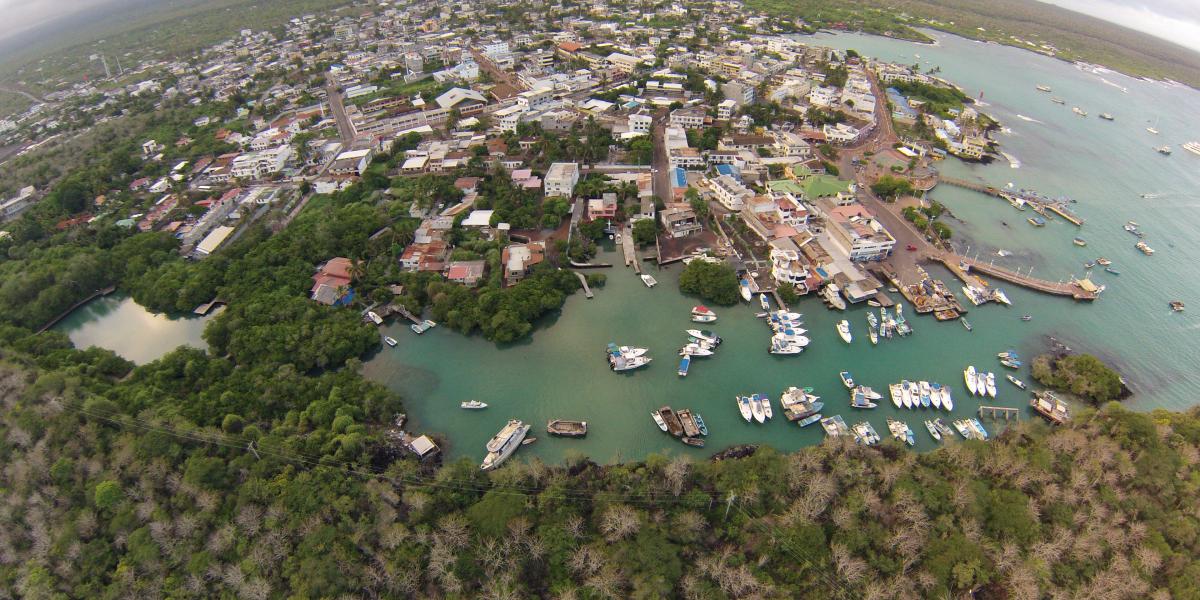
Santa Cruz is the second largest island after Isabela within the Galapagos Archipelago. It is located in the center of the set of islands, with an area of 986 km² and a maximum elevation of 864...

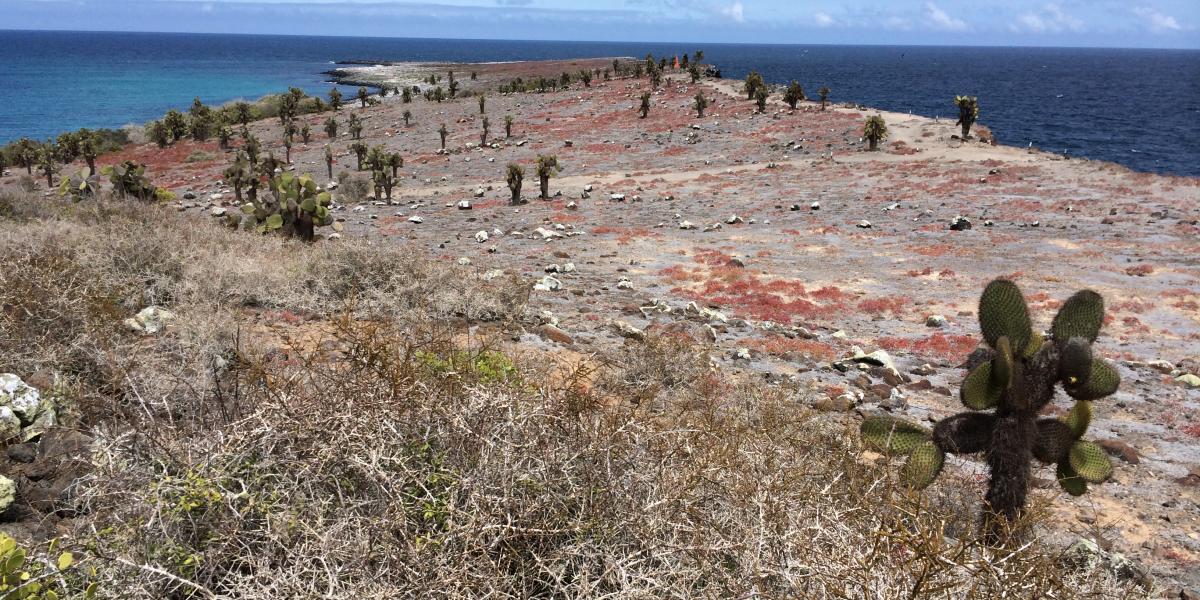
South Plaza
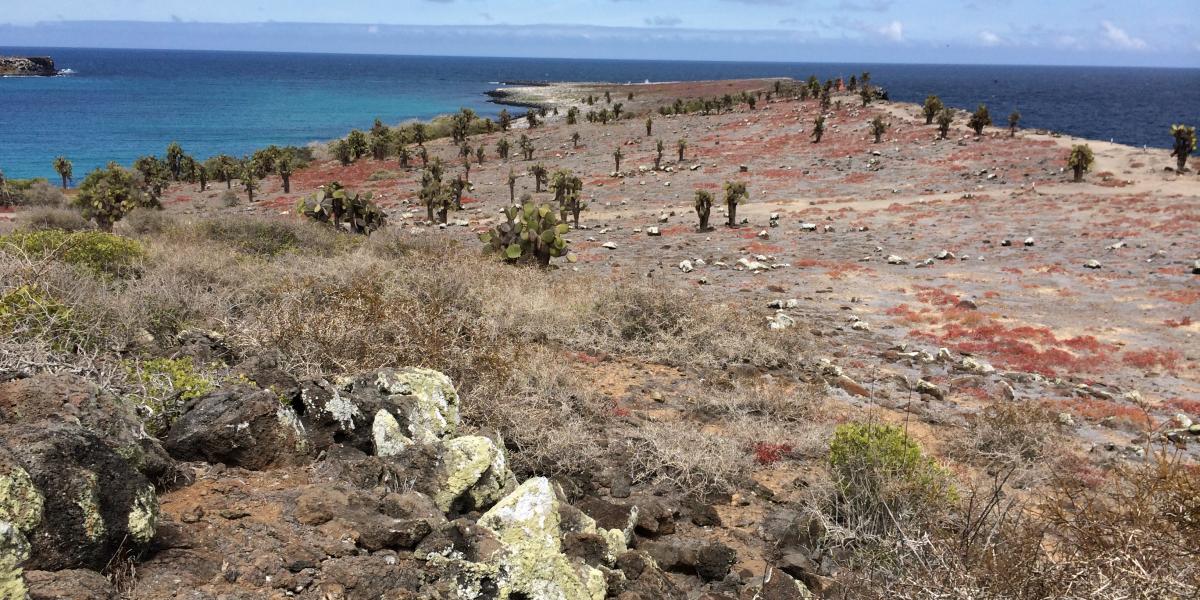
Plaza Sur or South Plaza has historically contained many prickly pear cacti (Opuntia echios var. echios), which is an important food source for animals such as the land iguana. However,...

Location on the map of sown plants:

Control       Waterboxx®       Cocoon       Drip irrigation       Groasis_Hidrogel       Hidrogel       Cocoon_Hidrogel       Growboxx®       BioChar       Remojo+escarificación       Remojo       Ripio_agua tibia       Ripio_agua al clima       Papel_agua al clima       Papel_agua tibia       Arena_agua tibia       Arena _agua al clima       Vermiculita_agua tibia       Vermiculita_agua al clima       paper_light       Paper_darkness       Mix_germination_light       Mix_germination_darkness       Mix_germination+Gravel_Light       Mix_germination-Dark gravel       Cut       Sandpaper       Vermiculite-GerminationMix_WarmWater_4-2022       Gravel-GerminationMix_WarmWater_4-2022       Paper_WarmWater_4-2022       Vermiculite-GerminationMix_WarmWater_10-2022       Gravel-GerminationMix_WarmWater_10-2022       Paper_WarmWater_10-2022       Vermiculite-GerminationMix_WarmWater_2023       Gravel-GerminationMix_WarmWater_2023       Paper_WarmWater_2023       Vermiculite-GerminationMix_WarmWater_2024       Gravel-GerminationMix_WarmWater_2024       Paper_WarmWater_2024       Vermiculite-GerminationMix_WarmWater_2025       Gravel-GerminationMix_WarmWater_2025       Paper_WarmWater_2025       Vermiculite-GerminationMix_WarmWater_2019       Gravel-GerminationMix_WarmWater_2019       Paper_WarmWater_2019       Vermiculite-GerminationMix_WarmWater_2021       Gravel-GerminationMix_WarmWater_2021       Paper_WarmWater_2021       Vermiculite-GerminationMix_WarmWater_2022       Gravel-GerminationMix_WarmWater_2022       Paper_WarmWater_2022                                                

Project: Donors:
Partners: